
Learning to Trust Yourself as a Dog Parent
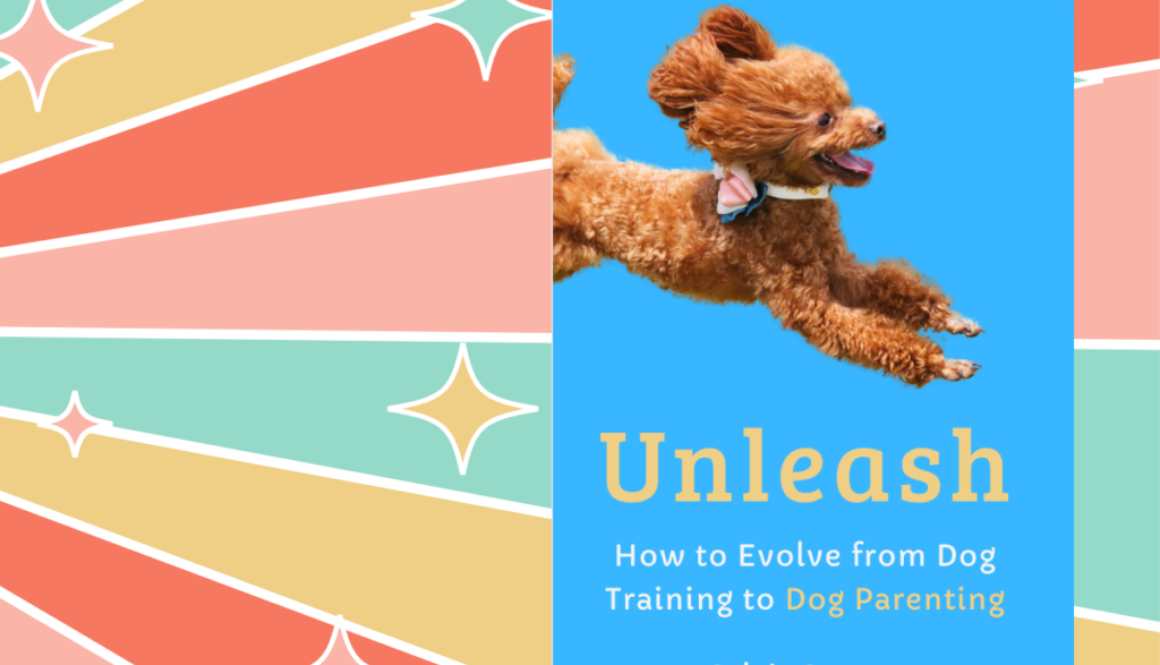
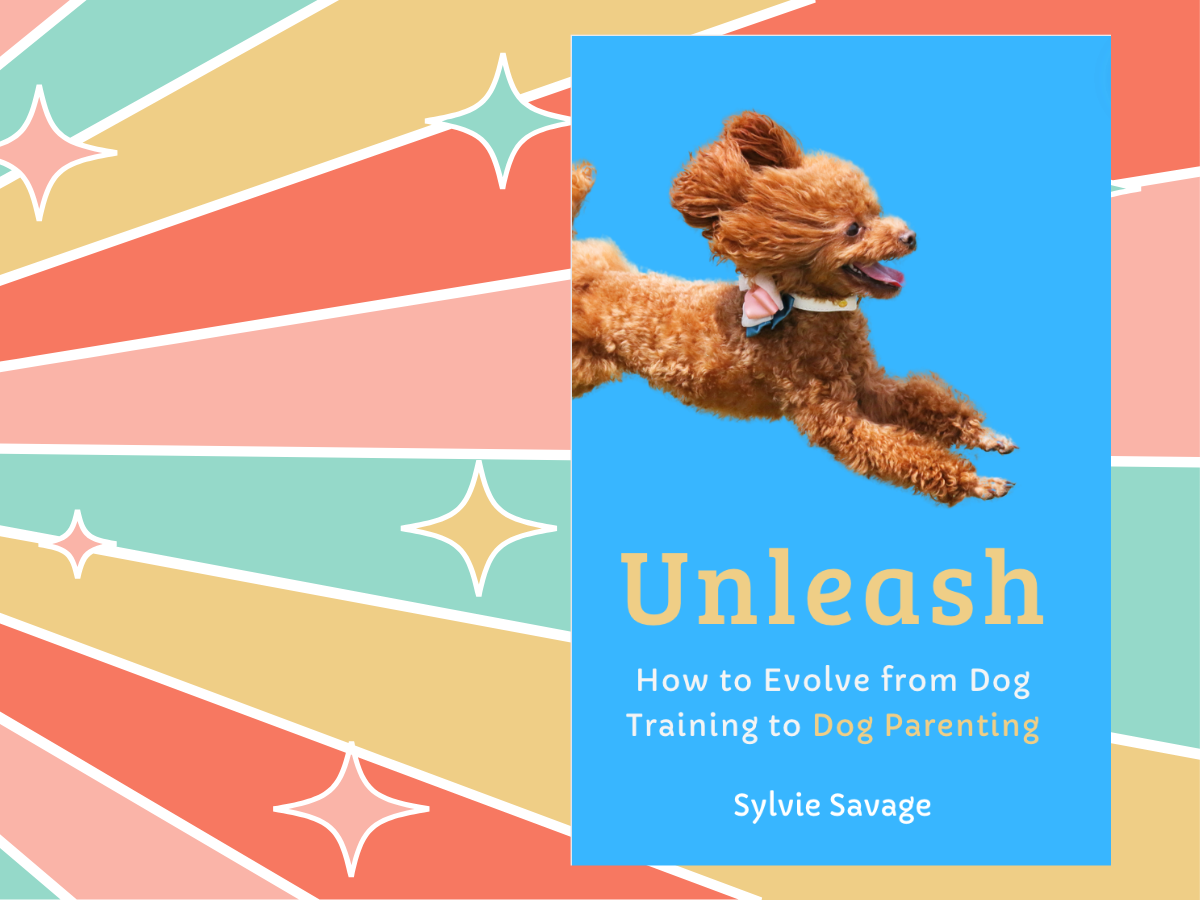
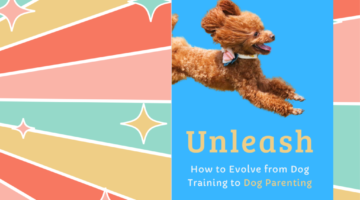
Something fun happened to me recently. Someone recommended my book, Unleash: How to Evolve from Dog Training to Dog Parenting, to me. I must admit, it felt really nice.
What felt most special wasn’t the recommendation itself, but what she shared next: that reading the book helped her learn to trust herself as a dog parent.
She didn’t know I had written the book, and when I told her I was the author, she was very forthcoming about how it had made her feel. She shared how validating it was for her. As she read the book, she kept thinking, I already knew this. Not because she had learned it elsewhere, but because she had felt it instinctively for a long time.
The book didn’t give her new rules. It gave her confidence. Confidence to trust herself and to express what she felt more clearly with her family and the people around her.
That moment has stayed with me.
Because what she described wasn’t really about dog behaviour at all.
It was about self-awareness. And that kind of awareness is often what opens the door to trusting ourselves more fully as dog parents.
When We Trust What We Feel
So often, dog parents doubt themselves. They sense something in their dog, or in their own body, but override it with advice, expectations, or fear of getting it wrong. Over time, that disconnect creates tension not just in their relationship with their dog, but within themselves.
When people ask, “What kind of dog parent am I?”, they are often asking something deeper.
Can I trust myself?
Do my feelings matter?
Is it okay to do things differently?
Our dogs are incredibly sensitive to what’s happening in our nervous systems. Partly because they are empathic, but also because how we respond to them directly affects how supported they feel in regulating themselves.
Self-Awareness Changes the Relationship
One of the reasons I created The Parent Promise Workbook was to give dog parents a guided opportunity to turn inward. The workbook doesn’t tell you how you should feel. It asks questions that help you notice how you do feel.
It helps you understand yourself better as a dog parent, while also recognizing your own triggers, patterns, and stress responses. Not so you can fix yourself, but so you can meet yourself with more understanding.
When we become more aware of what’s happening inside us, our responses naturally soften. We pause more easily. We react less automatically. And our dogs feel that shift immediately.
Confidence Comes from Being Seen
The woman who spoke to me about Unleash didn’t need permission from an expert. She needed validation that what she already knew was real and worthy of trust.
That’s the power of self-awareness. It doesn’t hand us answers. It gives us confidence. And from that place, our relationships with our dogs, and with the people in our lives, begin to change.
If you’ve ever wondered what kind of dog parent you are, it might not be about choosing a style or fitting into a category. It might be about learning to listen to yourself with the same care you’re learning to offer your dog.
And sometimes, that’s where everything begins.